

Good morning guys.
We find ourselves in one of the more unpredictable market environments we’ve seen in years.
Inflation has proven to be stickier than many people expected, the 30-year Treasury yield has climbed back above 5%, and after months of expecting rate cuts, investors are once again debating whether the Federal Reserve could be forced to raise interest rates. Odds of a rate hike are now at nearly 72% right now on Polymarket.
At the same time, AI spending remains explosive, corporate earnings have largely held up, equity markets are still trading near record highs, and we just entered what feels like the 59th reversal back to War with Iran in 3 months. It is truly maddening stuff.
It’s an unusual backdrop and nobody knows for sure what to expect next.
Higher borrowing costs would normally pressure valuations, yet many of the world’s largest companies continue to attract enormous amounts of capital. That disconnect makes one question more important than ever.
Where is the smart money actually positioning and how can we benefit from that?
Fortunately, we aren’t flying completely blind.
According to Goldman Sachs’ Prime Brokerage data, hedge funds have spent the past several weeks actively managing risk rather than abandoning their highest conviction themes (and the ones making them billions).
The biggest takeaway is semiconductors and adjacent sectors most people don’t think about or get exposure to.
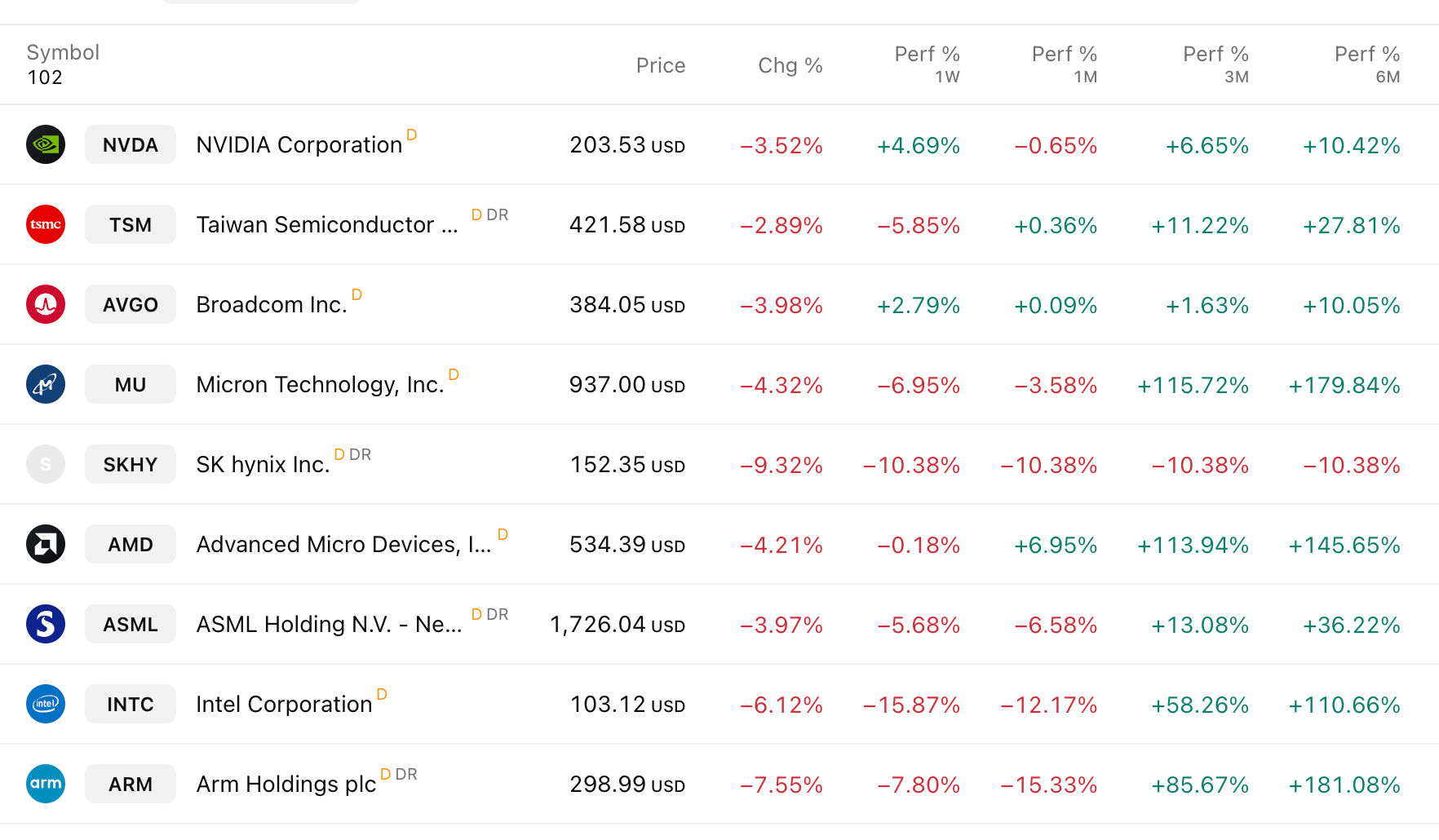
At first glance, the flow data looks bearish. Hedge funds have been net sellers of semiconductor and chip equipment stocks, with the group becoming one of the most sold sub sectors over the past month.
But there is more to the story under the surface.
With the Q2 13F filing deadline now just weeks away, I spent the last several days digging through SEC filings, investor letters, conference appearances, and recent disclosures to identify where some of the world’s largest hedge funds are placing their highest conviction bets.
Your goal shouldn’t be to just copy billionaire investors, it’s to understand the themes, sectors, and companies attracting institutional capital before the next wave of filings becomes public. By looking at this we can not only get a sense of true risk on sentiment and market positioning, but also the themes and names that might outperform through the end of the summer and year.
Right now, with Iran flaring back up and more uncertainty in markets this can be an excellent input into how we form our perspective and approach new purchases/cuts.
The Q2 2026 Form 13F filing deadline is August 14, 2026.
Now bear in mind when we look back retroactively at Q1, a 13F is delayed, it does not reveal short positions, and it does not show every security or hedge inside a portfolio. A fund may have already added, reduced, or completely exited a position by the time we see the filing.
Still, these disclosures remain one of the best tools available for identifying:
Where sophisticated capital is concentrating
Which companies are attracting repeat institutional conviction
How elite managers are expressing major themes like AI, energy, infrastructure, China, and consumer technology
In reviewing them and examining the hottest themes we can get a better idea of which names might be ready to recover and run again, and which ones are falling out of favor. This fine morning we will be taking a look at:
Pershing Square
Appaloosa
Tiger Global
Coatue
Citadel
Millennium
Collectively, the hedge funds we’re about to examine oversee roughly $300 billion in capital, making them some of the most influential investors in global markets.
One or two ideas from the patterns we will talk through this morning can genuinely change your portfolio over the next few years or prevent you from cutting a name poised to absolutely send when market conditions improve.
Let’s get it.